Showing posts with label Hydroponic farming. Show all posts

Wednesday, 24 June 2015

Hydroponic Gardening – Different Forms

Hydroponic gardening is a procedure where plants, whether it be fruit or flowers and vegetables are cultivated in nutrient vitamin alternatives. This signifies that they aren’t grown in the soil, in the ground and don’t depend on sunlight to grow. Rather they grew in tents in the house or even inside the conservatory.

421876Hydroponic growing is now being widely used worldwide to grow crops. This type of gardening is much cleaner and does not depend on the climate to determine the potency of the produce. For instance when a famine has occurred a cultivator would have only has a weak if yet no yield at all but this procedure of gardening does not depend on water for vegetation since the water employed is recycled, therefore lowering water expenses.

When plants are grown hydroponically there’s a smaller risk of pest attack because there’s no ground pests or insects to dwell a reason that makes hydroponics farming a thoroughly sensible and helpful form of cultivating food.

With hydroponic more vegetation can be produced in a smaller area and doesn’t require the use of a big garden to produce crops. Hydroponic tents can be installed nearly anywhere and are available in various sizes and heights to suit your requirements.

Hydroponic can be employed in built up areas where gardening or farming isn’t feasible and is perfect for over inhabited nations where landscape is restricted.

Though hydroponic farming has great benefits it also needs a lot of care. It also needs special devices such as grow lights.

There’re 4 most commonly employed procedures of hydroponic farming and these include:

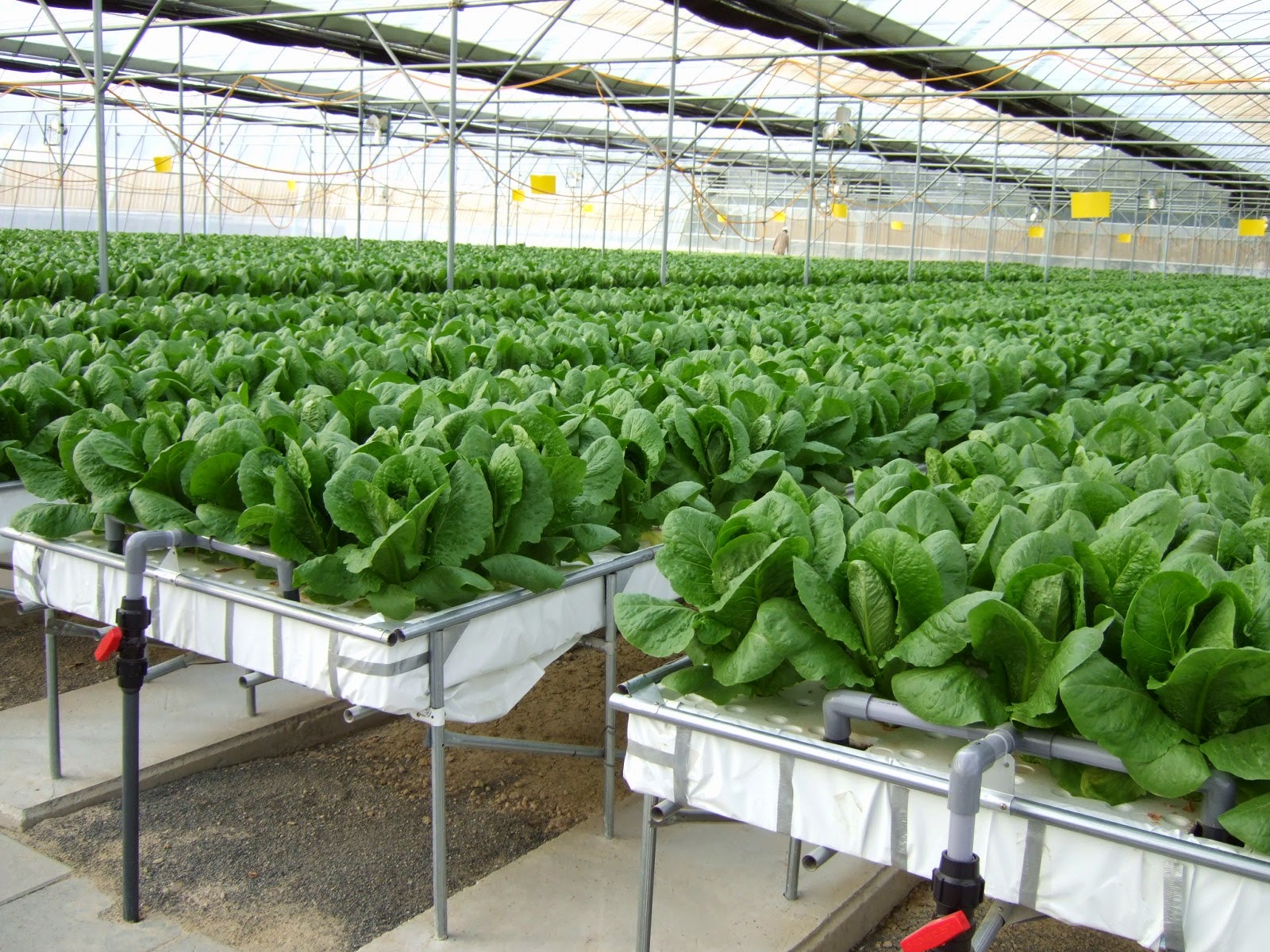
421900• Nutrient Film Technique (NFT) – in this procedure the roots remain damp persistently. The plants grow in conduits where a mineral solution is passed through in regular intervals. However this system will require regular flushing.

• Drip method – this procedure function with a timer that drops nutrient solution to the vegetations at a regular interval. As it’s dripping it supplies fresh nutrients, oxygen and water unlike the Nutrient Film Technique which recycles the same mineral.

• Ebb & flow – this procedure wash out the plant containers and then permits them to drain which enables oxygen to be nourished to the base of the root. This procedure is also popularly known as flood and drain.

• Passive system – this is a low maintenance form of hydroponic farming that doesn’t employ timers or pumps. This is a steady form of hydroponic but fits a busy lifestyle.

Saturday, 6 June 2015

Pegasus Agritech: Hydroponics Farming Projects & Facilities


Hydroponics farming projects & facilities. Pegasus Agritech bring hydroponics kits, manufacturing equipment and facilities to Dubai GCC and Mena Region. Pegasus's teach a man how to farm hydroponics program educates farmers on how do grow their own farm.For More information Click here: http://pegasusagriculture.com/

Wednesday, 6 May 2015

Middle East’s Urban Green Revolution – Through Hydroponics

hydroponic-farm-jpgMiddle East Farmers have taken the inventiveness to accept and move with technologically advanced farming methods to alleviate the issue of food imports in the region; they have already accepted the soilless farming- hydroponics to grow food in the desert. The technology of soilless farming or hydroponics is best suit for Middle East’s challenging conditions for farming and especially for the unavailability of arable land in the urban areas.

In most of the GCC countries, the obstacles for conventional agriculture are the lack of water and space, and probably farmers can’t grow anything without plenty of water and fertile land space. But with hydroponics, even a small facility can make wonders. It is proven that tons of high quality vegetables can be grown in hydroponic green houses in the crowded cities of GCC, in controlled environment.

The produce of hydroponic farming will be of higher quality than the conventional farm products as they are free from harmful pesticides and weeds and many other ways of contamination. Farmers can save more on such vegetables due to the increased proximity to the vegetables markets or sometimes they will have the chance to deal with direct customers such as big hotel groups or supermarket chains.

According to the farmers, the soil salinity made it almost impossible to grow crops in this region; and in a hydroponic system, farmers generally won’t have to interfere with any such issues. hydroponic systems are in fact more cost effective as it doesn’t require the excessive use of expensive fertilizers. It can produce much fruits and vegetables of better quality, with comparatively very less water, and no or less pesticides.

shutterstock_98012525-676x450The hydroponic systems (mostly are indoor green houses) effectively prevents diseases from reaching the plants and production can be possible year round irrespective of any climate conditions. Automatic controller systems are available in many hydroponic farms in this region, which controls the salinity and acidity of the solution used for the crops. The correct concentration of nutrients in the growing media gives maximum results.

The automatic nutrient controller systems provide maximum efficiency of nutrient absorption and ensures the vegetation takes up all the nutrients it requires in the correct amount. So maximum yields of superior quality can be assured and a successful project can deliver up to 50-60% increased yield with better quality produce.

Pegasus Agriculture, the hydroponic farming major of the region operates a number of urban hydroponic facilities in the region and supports the conventional farmers for an urban green revolution through soilless farming.

Thursday, 26 March 2015

Pegasus Agriculture Reviews Why Middle East Is A Good Market For Hydroponic Veggies

hydroponic_advance_goes_commercial_2_634704503829524000MENA region’s largest owner and operators of hydroponic farming facilities- Pegasus Agriculture combines nature’s best with cutting-edge technical knowledge to grow food that are healthy, fresh and organic. As the industry leader in managing hydroponic farming facilities in the MENA region, Pegasus Agriculture cultivate and market premium quality, greenhouse-grown fresh produce locally in the region successfully.

According to Pegasus Agriculture, hydroponically harvested plants are easy to sell, mainly because of their reliable year-round output, mostly in climate-controlled hydroponics facilities. The ability of hydroponic farms to produce in-demand, non-native vegetables is also a major factor for the increased demand.
With hydroponics, nutrients are delivered directly to the plants’ roots. The plants’ energy can be redirected to growing lush foliage and abundant fruits, since they no longer need to search for food.


Constant supply of fresh vegetables is considered to be crucial for green market consumers, either for commercial or residential purposes, as they have a constant demand. Growers may be able to assure their consumers of a constant price or small fluctuation in price due to variation in production factors.

Producing veggies, especially leafy ones without soil and inside a controlled environment helps growers to produce clean product with beautiful color and leaf shape. The appearance of green products greatly accounts for good market price and high profit.

Hydroponics has numerous advantages, since it offers complete control over growing conditions. It also requires less space compared to conventional agriculture, and pests and other blights can be more easily controlled and prevented.

The most convincing reason for embracing hydroponics in the MENA region is its water efficiency. For instance; when growing lettuce in hydroponics, the grower will be saving around 90 per cent as the water is recycled. With tomatoes, you can save between 40 and 60 per cent.

Hydroponics Cultivation ConsultancyAnother factor that makes hydroponic veggies easy to sell is that they can be grown close to the market distributor, says Pegasus Agriculture. As a perishable product, long distance transportation may damage and lower market value of the product. Moreover, having the product located near the consumer can considerably reduce transportation and other related cost.

Pegasus Agriculture’s cutting edge hydroponic farms will not only supply the major supermarkets, but also the local domestic markets with very high demand for hydroponic veggies. The company has its own advanced hydroponic facilities to grow a large variety of flowers, vegetables, and herbs hydroponically.

Monday, 16 March 2015

Commercial Hydroponics- A Viable Solution For Mena Regions’ Food Shortage Issue

hydroponic-farming-projectsFood security is a significant concern for governments in MENA region, which is already heavily dependent on food imports. While agricultural productivity for the region as a whole increased markedly during the 1990s due to modernization efforts with water management, the region still faces a food deficit of 50-90 million tons by 2020.

Hydroponics offers some potential to reduce food security risks of the region and almost all the MENA countries are now exploring the potential of”—soil-free agriculture and vertical farming—in order to be self-sufficient in food production by 2023.There is rapid growth in Global Food Market and it is time that nations become self-sufficient in its agriculture production. Modern agriculture occupies far more than the 10.6 percent of global land that is arable.

In Saudi Arabia, arable land is very limited; therefore, it is highly challenging for it to produce adequate food. Saudi Arabia imports 95% of their fresh fruits and vegetables for which the nation is paying massive premiums, as a consequence burdening its economy. Most of the MENA countries suffer from a lack of arable land and climate that are unsuitable for the mass production of food.

For the countries where natural resources are a question in supporting agricultural growth, commercialization of hydroponic farming is the viable answer. The hydroponic technique is highly sustainable; a onetime infrastructure investment can bring 100 years of returns. The growth of high yield crops means, returns on investments are made quickly.

We can confidently assure that hydroponic farming is a win - win situation for all as with 80% less water usage and efficient utilization of land. Hydroponics is one of the many choices; but the most sustainable one for a viable and greener agriculture for the MENA region.

Wednesday, 11 March 2015

Hydroponics to Boost Sustainable Farming for a Greener Future

a-frame-pegasus-agricultureSustainable agriculture is the act of farming using principles of ecology; sustainability involves making better use of the knowledge and skills of farmers, so improving their self-reliance.

Hydroponic systems are now widely used in commercial greenhouses. It is a system of agriculture that utilizes nutrient-laden water rather than soil for plant nourishment. Because it does not require natural precipitation or fertile land in order to be effective, it presents people who are living in arid regions with a means to grow food for them and for profit. In addition, the technique can be used in roof top farming and therefore is very useful in areas with limited space such as urban areas.

The re-use of nutrient water supplies limits excessive plant growth due to overabundant nutrients and general pollution of land and water unlikely, since runoff in weather-independent facilities is not a concern. Hydroponic systems do not require pesticides, require less water and space than traditional agricultural. Self-sustaining city-based food systems mean a reduced strain on distant farms, the reduction of habitat intrusions, fewer food miles, and fewer carbon emissions.

There are countries, especially in the Arabian Peninsula where agricultural activities are limited to around 1% of land. Farmers here have to contend with extremely scarce water supplies and poor soils at the same time maximizing productivity per unit area is paramount. The implementation of promising technologies is vital in such regions to deal with the physical constraints, enhance agricultural productivity and rural livelihoods.

hydroponic-lettuceSoilless production through the use of hydroponic farming methods remains the best solution for raising the water productivity and sustaining agricultural production in these countries. They have successfully implemented the techniques of aquaponics or hydroponics, in order to meet their increasing food demands, in a sustainable way.

A more sustainable agriculture seeks to make the best use of nature’s goods and services as functional inputs. It does this by paying attention to regenerative processes, such as nutrient cycling and soil regeneration. It may also use the natural enemies of pests rather than using chemical controls in the food production processes so it minimizes the use of non-renewable inputs (pesticides and fertilizers) that damage the environment or harm the health of farmers and consumers.

Wednesday, 4 February 2015

How to Measure pH Level in Hydroponic

It is essential to be routinely measuring pH level of your nutrition solution, if you wish to accomplish the best growth in your hydroponic garden. This could be accomplished with pH analyzers and adjustment to pH levels can be made likewise.

What’s pH?

imagesDespite the fact that the precise meaning is unidentified, it is thought that pH stands for “power of Hydrogen." PH is the amount of the acidity or alkalinity level in a water solution. It is evaluated on a scale from one to fourteen where the lower half of the scale is acidic, but the upper half is alkaline. A preferably pure solution should be 7 on the pH scale.

What does pH stand for in hydroponic?

This pH level is perfect for the absorption of vital micro & macro supplements by the plant roots. A higher vicinity of macro supplements such as potassium, phosphorus and nitrogen is found inside this range signifying the plants are developing in an ideal condition.

Measuring pH levels in hydroponic:

At the point when first beginning with your hydroponic garden, you will wish to confirm the pH level of your supplement solution regularly. You will likely need to carry on this until you build up an understanding of your system and plant requirements.

Adjusting pH levels:

While measuring pH levels it is likely you’ll require to fine tune somehow. There’re products accessible at your hydroponics retail shop or online, which are designed specifically to lower or increase your pH level. Cultivators can also lower their pH level themselves by employing citric acid.

Employ a pH tester:

As an amateur, it is simpler to go with the traditional procedure of testing pH levels by employing plain paper strips. These strips are covered in special coloring that when dunked into the solution will specify a color. You then contrast that color to a pH color graph which lets you know which pH level your nutrient solution is at.

If you wish to propel your hydroponic aptitudes past the novice level, you can start employing a fluid pH testing unit. This’s where you put dye into the solution which transforms color to display the pH level. These fluid pH testing units can be accessible easily at your neighboring local hydroponic store or online.

The most precise means to verify your pH levels is by employing a digital pH meter. You can easily find these digital meters online.

Thursday, 6 November 2014

Investing in Hydroponic Farming - A Wise Solution

It is absolutely not required to say hydroponic farming has provided a resource-efficient & adaptable practice of agriculture. This farming practice uses less space and water than conventional farming. It also doesn’t rely on the quality of soil & delivers higher yields.

Hydroponic farming involves growing vegetation or plants in water supplemented with minerals, or in an immobile medium like rock wool or gravel, through which nutrient-supplemented water goes through. There’re presently commercial hydroponic farms in America’s Sonoran Desert, Western Europe, Japan and Canada, producing veggies with great commercial accomplishment.

Pegasus Agriculture


Recent figures disclosed that the United Arab Emirates (UAE) has the maximum per capita use of water in the globe, with irrigation accounting for 50% of water consumed. Commercial hydroponic farming needs 5% of the water and 13% of the space, that ground-based farming requires to deliver the same yield. In greenhouse conditions, plants could be grown year around & much closer together.

In addition, farmers guesstimate that 90% of the water consumed in hydroponic agriculture can be recycled. Hydroponic farming is especially attractive for the Middle East, as this region remains almost dry throughout the year.

Investing in Hydroponic Farming:
 
Hydroponic farming is absolutely unique as they don’t need any rich soil. Indeed several of the globe’s biggest hydroponic farms are established in the deserts of the Middle East and other parts of the world where soil is unfertile.

The best part of hydroponic farming is that almost all of the minerals poured into the budding medium are soaked up by the plant, making it more effective and increase productivity as well. Through such innovative farming method, cultivators can get nearly 550 tons of vegetables per acre, compared to the standard yield of fifteen tons per acre using conventional farming.

Monday, 3 November 2014

Pegasus Agriculture – Playing a Massive Role in Ongoing Hydroponic Farming Projects in Dubai

Hydroponics is a technological revolution in farming, and several organizations have been formed to develop the stuffs you require to be effective with your hydroponic projects. A new study has revealed that the commercial hydroponic industry is successful & expanding very quickly. According to a recent survey; hydroponic agriculture controls the productions of a limited number of crops, and is possibly the fastest growing department. Using hydroponics, one can grow just about anything, comprising most vegetables, flowering plants, house plants, several kinds of fruits & herbs for health purposes.

Role of Pegasus agriculture in Hydroponic Farming Projects Dubai:
 
Pegasus Agriculture is the largest owners' & operators of hydroponic farming facilities in the MENA region. As the leading supplier of hydroponic farming facilities, Pegasus Agriculture has truly revolutionized the growth of vegetables and fruits by implementing the latest of technologies in the production process.

Pegasus Agriculture

Currently, Pegasus Agriculture is planning hydroponic assignments; hydroponic farming facilities & manufacturing all over the MENA’s region, including Qatar, Oman, Afghanistan, Iraq, UAE, Abu Dhabi and Dubai. Not require to say, most of these nations experience shortages of cultivable land & climates that are unfit for the heavy production of food.

Hydroponic farming leader, Pegasus Agriculture eyes to put in the latest of technologies to become the master in the farming industry to stop the food crisis of different regions in MENA. Pegasus Agriculture is also looking for a technology that can offer best environment for plant growth while enhancing the accessibility of nutrients, producing more vibrant and healthier plants. Also, it is looking for a technology which is competent to update the hydroponic industry by supporting cultivators with more frequent crops. According to Pegasus Agriculture, the appropriate use of hydroponic technology could free up huge amounts of water for human use and for industrial and residential uses as well.

Tuesday, 7 October 2014

Its Time to Say Bye-Bye To Traditional Farming

When you think of gardening you usually imagine hoeing, collecting, weeding, and getting grimy in the soil. People who are in the Southern US also assume of the temperature they’ve to tolerate while their knees and hands in the mud sweating copiously to have a great yield of vegetation in the fall. Well, now you’ve another wonderful option: Hydroponics. For your knowledge, hydroponics is a means of growing plants or vegetation in water with minerals without requiring any soil whatsoever.

You might be thinking what benefits hydroponics actually provides over conventional farming. Well, there’re some regions in the world where farming is unfeasible due to depleted soil or lack of rain, which makes hydroponics exceedingly valuable in these regions. Rather than depending on imports of fruits and vegetables, they could be grown locally that assists to develop a self-dependent society.

pgslider2

From an ecological point of view, making use of hydroponics methods to grow herbs and foods locally also reduces the far-reaching impacts of traffic & pollution that’s developed from shipping produce across a nation or even across several nations. Hydroponics uses less water compared to conventional farming as it reprocessesmineral mediums and water. It is much simpler to get rid of buds and pests in this method, meaning the end stuff doesn’t have the intensive chemicals from insect killer on the vegetation, keeping the chemicals away from damaging the atmosphere.

Another benefit of hydroponic cultivation is that you can harvest your produce quicker. This method has a shorter yield time as the plants have straightforward access to all the nutrients they require for growth and do not have to eject energy on budding a big root structure to discover what they require to grow.

Hydroponic farming leader, Pegasus Agriculture eyes to employ advanced technologies in the field of agriculture to become the foremost supplier in the industry in order to meet the increasing food demands of the GCC domestically. It utilizes all the possibilitiesof Hydroponics, a method of farming that uses mineral-laden water instead of soil, as a viable methodto reduce the energy expenditures as well.

Friday, 19 September 2014

Pegasus Agriculture Invents New Agro-Techniques


As the foremost dealer of hydroponic farming facilities in the Middle East & Northern Africa, Pegasus Agriculture aims to remain the GCC & MENA’s largest dealer of hydroponic farms by offering adequate fresh local produce to make sure food safety for the GCC.
Google+